

insulated glazing
Mức Nước Dính Điểm Quan Trọng Trong Ngành Xây Dựng và Nội Thất Mức nước dính, hay còn gọi là mức spirit, là một công cụ đo lường không thể thiếu trong nhiều lĩnh vực, đặc biệt là xây dựng và thiết kế nội thất. Với chức năng chính là xác định mức độ thẳng đứng hoặc ngang của các bề mặt, mức nước dính giúp người dùng đạt được độ chính xác cao trong các công việc lắp đặt và thi công. . Mức nước dính không chỉ được sử dụng trong xây dựng nhà cửa mà còn trong việc lắp đặt đồ nội thất, như bàn, kệ, và các thiết bị gia đình. Việc sử dụng công cụ này giúp đảm bảo rằng mọi thứ đều được đặt đúng vị trí, tránh tình trạng nghiêng lệch có thể gây ra những bất tiện trong sinh hoạt hàng ngày. Bên cạnh đó, mức nước dính cũng đóng vai trò quan trọng trong nghệ thuật trang trí, giúp người nghệ sĩ thiết kế ra các tác phẩm có tính thẩm mỹ cao. adhesive spirit level Sự phát triển không ngừng của ngành xây dựng và nội thất cũng đòi hỏi các công cụ đo lường phải ngày càng chính xác hơn. Vì vậy, việc lựa chọn một chiếc mức nước dính chất lượng, phù hợp với nhu cầu là rất quan trọng. Trên thị trường hiện nay có rất nhiều loại mức nước dính với mức giá và chất lượng khác nhau. Người tiêu dùng nên tìm hiểu kỹ lưỡng trước khi quyết định mua, để đảm bảo có được sản phẩm tốt nhất. Để tối ưu hóa tiến trình xây dựng và lắp đặt, việc sử dụng mức nước dính kết hợp với các công cụ khác như thước kẻ, máy đo laser là rất cần thiết. Những công cụ này không chỉ giúp tiết kiệm thời gian mà còn giảm thiểu sai sót trong quá trình thi công. Tóm lại, mức nước dính là một công cụ hữu ích và cần thiết trong các lĩnh vực xây dựng và thiết kế nội thất. Sự chính xác mà nó mang lại không chỉ giúp cải thiện chất lượng công việc mà còn tăng cường tính thẩm mỹ cho các công trình. Với sự phát triển của công nghệ, mức nước dính sẽ tiếp tục có những cải tiến mới, phục vụ tốt hơn cho nhu cầu của người dùng.
about
insulated glazing
Why a measurement platform still anchors modern quality control Factories love buzzwords, and metrology is having a moment. AI checks, digital twins, edge analytics… yet, on every serious shop floor I visit, the quiet hero is still a rock-solid measurement platform . To be honest, when you dial in flatness and stability, you eliminate a lot of downstream noise. That’s where STR Machinery’s unit from Botou, Cangzhou (No.17, Building 11, Hardware Building Material City, Hebei, China) keeps popping up in conversations—wear resistant, stable, and, as many customers say, “hard to deform” even under daily abuse. Industry trends (and what buyers actually ask for) Two shifts stand out: tighter GD&T tolerances in EV and aerospace work, and the spread of inline verification. That means a measurement platform has to pair high flatness grades with decent mobility, vibration damping, and easy re-certification. Surprisingly, customization is now the norm—T-slots for clamping, inserts for jigs, and surface finishes that don’t bruise optics or delicate housings. Core specifications at a glance Base materials High-strength cast iron (HT250/GG25) or granite (black/diabase), application-driven Flatness grades Grade 00 / 0 / 1 per DIN 876, ISO 8512; ≈3–10 μm per meter (real-world use may vary) Surface finish Ra ≤ 1.6 μm (scraped cast iron) or honed granite Hardness / density Cast iron HB 170–220; Granite density ≈2.9 g/cm³ Load capacity Up to 5,000 kg (custom frames/stands available) Options T-slots, inserts (M8–M16), lifting points, leveling feet, vibration-isolation pads Process flow and quality controls Materials: selected cast iron with controlled pearlitic matrix or low-porosity granite blocks. Methods: stress relief (thermal aging), rough machining, semi-finish milling, fine scraping/lapping, final hand calibration. Testing standards: flatness verified per DIN 876 and ISO 8512; spot pattern checks, autocollimator sweeps, and repeatability mapping. Test data example: Grade 00, 1000×1000 mm, flatness ≤ 3.5 μm; repeatability ±1.5 μm; traceability via ISO/IEC 17025 lab certificates. Service life: around 8–12 years in typical machining environments; longer with covers and periodic re-scrape. Industries: EV drivetrains, aerospace brackets, precision molds, medical device housings, optics assembly. Why this measurement platform wins on the floor It’s the combination: wear resistance, stubborn stability, and—actually—a finish that forgives real-world handling. The origin matters too; Botou’s casting and stoneworking ecosystem keeps lead times sane. Certifications? The factory quality system aligns with ISO 9001, and calibration reports can be issued by ISO/IEC 17025-accredited partners. Customers tell me they notice fewer reworks after swapping in this measurement platform , especially for parts with tight positional tolerances. Vendor comparison (quick, practical view) Vendor Material Flatness grades Max size Lead time Notes STR Machinery Cast iron / Granite 00 / 0 / 1 ≈3000×2000 mm 4–6 weeks Strong customization, fair pricing Vendor A Granite only 0 / 1 ≈2000×1500 mm 6–8 weeks Great polish, fewer options Vendor B Cast iron 0 / 1 ≈2500×1500 mm 5–7 weeks Solid basics, limited T-slots Customization and real-world feedback Options span stand height, epoxy infill, coolant-safe coatings, and datum tag engraving. Shipping crates are moisture-controlled—small detail, big impact. One EV plant reported a 22% drop in gauge R&R variation after moving critical checks onto this measurement platform . A medical device assembler (clean area) liked the low particle shedding of the honed granite version—less wipe-down between lots. Application snapshots Automotive powertrain: fixture plates bolted to the measurement platform for inline cam-cap height checks. Mold shop: blueing and scraping on cast iron measurement platform to recondition reference faces. Optics: granite measurement platform under vibration pads for lens barrel coaxiality checks. Standards and traceability matter. Specify the grade you need, ask for a calibration map, and—this is my usual nudge—budget a re-verification every 12–18 months or after a move. References DIN 876: Flatness tolerances for surface plates. ISO 8512-1/-2: Surface plates — Granite and Cast Iron — Specifications and verification. ASME B89.3.7: Granite surface plates — Methods for inspection. ISO 9001:2015 — Quality management systems — Requirements. ISO/IEC 17025: General requirements for the competence of testing and calibration laboratories.
-

High quality industrial productsagement

High quality industrial products
View Details -

Meet the diverse needs of customers

Meet the diverse needs of customers
View Details -

Strict quality control

Strict quality control
View Details -

Top raw materials

Top raw materials
View Details -

Trusted supplier

Trusted supplier
View Details
Our application

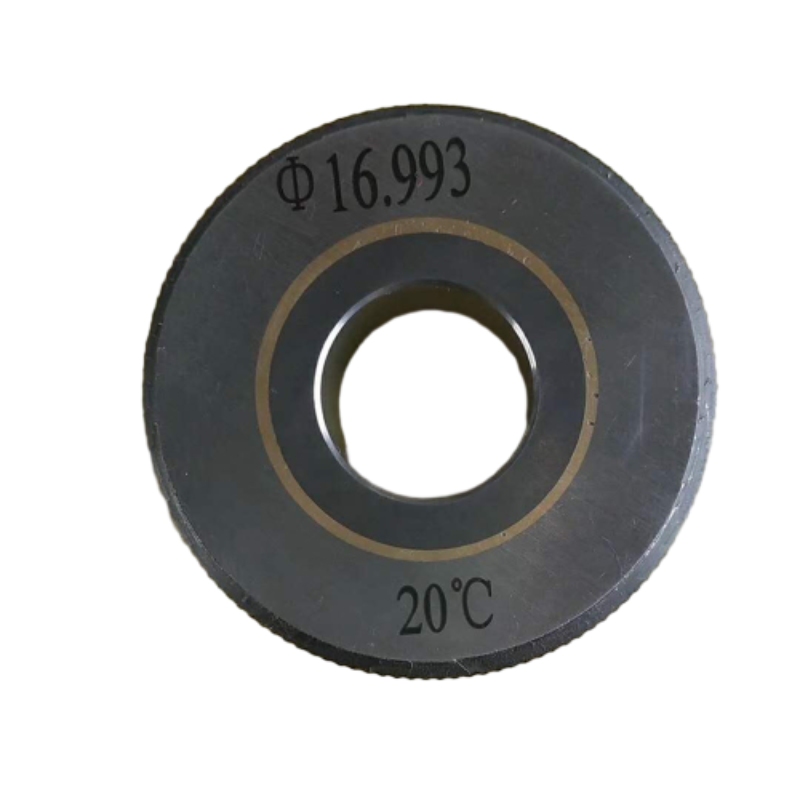


news and information
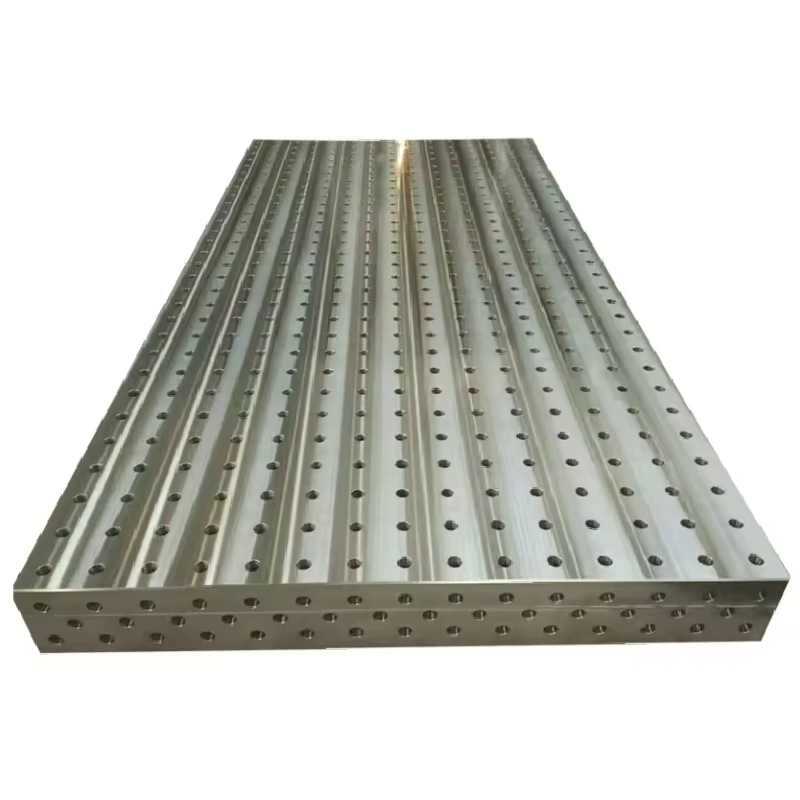
Vanne de retenue demi-pouce pour applications industrielles et domestiques.
La soupape de retenue à demi pouce un élément essentiel pour la plomberie La soupape de retenue, ég
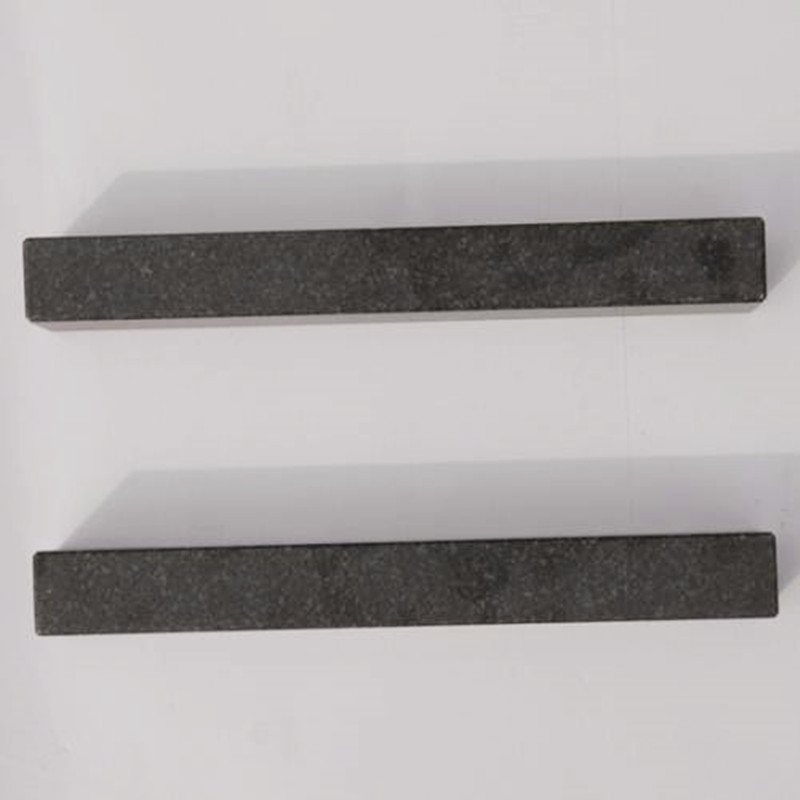
Valve Selection Guide for Industrial Applications
As a leading wholesaler in industrial equipment, Storaen (Cangzhou) International Trading Co. unders
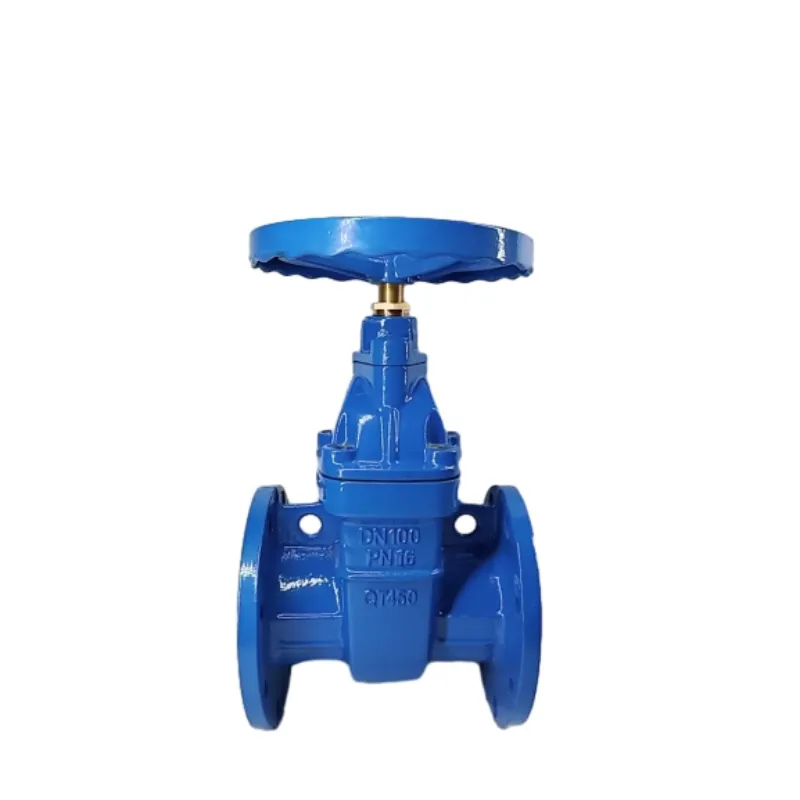
Válvula de cierre
Válvulas de Globo Importancia y Aplicaciones Las válvulas de globo son componentes esenciales en num
 English